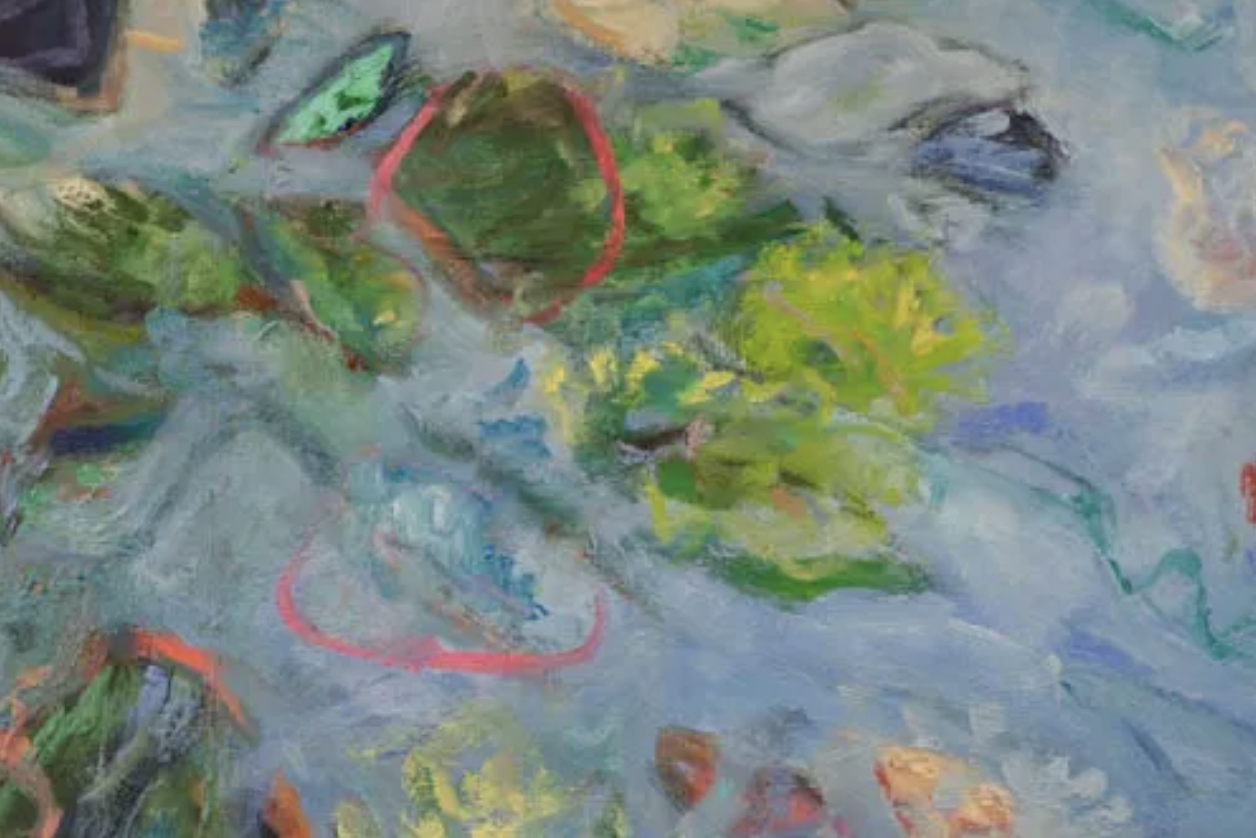
Felt Nature: Painting Without a Plan
If you’re asking how I start a painting, I don’t start with a plan. I stand in front of a blank surface until a shape or a color suggests itself, and that becomes the first mark. One mark leads to the next. I’m not deciding where it goes in advance. I’m responding to what’s already there. Planning ahead doesn’t work for me. It usually just means forcing the painting to match an idea instead of letting the idea come out of the work itself.
Call it listening if you want. To me it’s closer to paying attention, being present with the work. A color suggests another color. A gesture wants to repeat or break. A shape on one side starts pulling for something to answer it on the other. My job is to notice that and follow it instead of overriding it with something I walked in with. That means giving up some control over the outcome. Some of what ends up on the surface gets kept. Plenty of it doesn’t survive the next layer.
I use the term “felt nature” for this. The idea is that a painting can carry the experience of a landscape, light, temperature, motion, mood, without depicting anything recognizable. It’s not a picture of a place. It’s a translation of one. Nothing has to look like a tree for the painting to carry what it’s like to stand among trees.
Joan Mitchell said it best: “I carry my landscapes around with me.” She worked from memory, not observation. Color and gesture stood in for a place instead of describing it. A landscape painting shows you a place. A felt-nature painting tries to put you inside one.
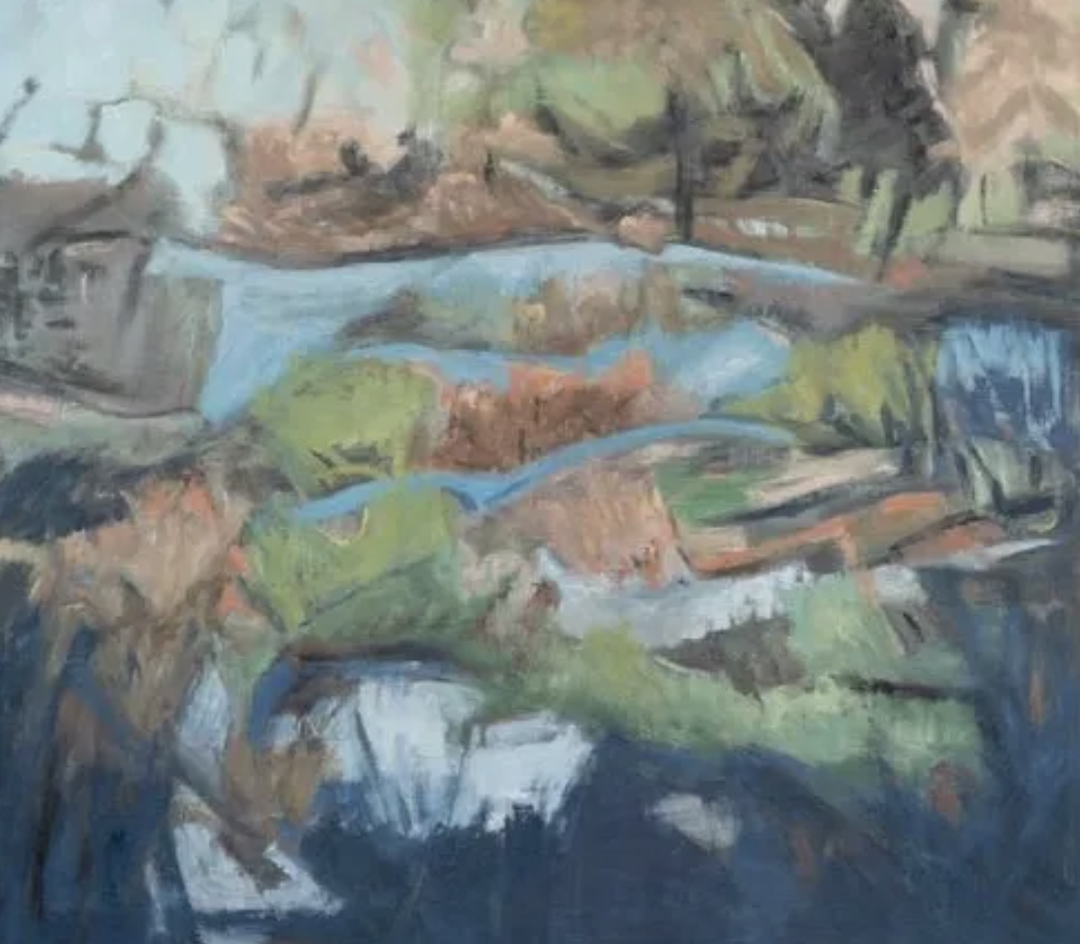
Working without a plan and working toward felt nature turn out to be the same thing. Both mean staying with what’s happening on the surface instead of steering toward some outcome I decided on beforehand. What I hope to end up with isn’t a record of a place I saw. It’s closer to a record of what an experience did to me, and maybe what the painting will stir in a viewer.